If you’re going to invent the car, then you’ve got to invent the traffic jam.
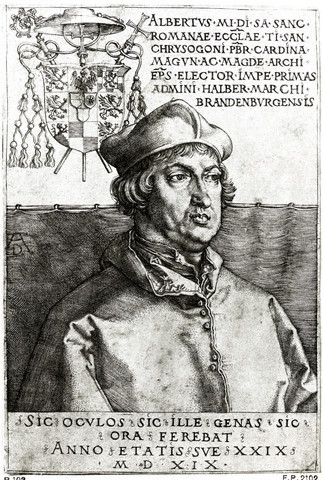
Do you accept the love people have for you? Do you celebrate your successes and see yourself in your divinity? Do you accept all the gifts the universe wishes to provide for you? Because you see, Dear Ones, you are always in charge and the universe has much it wishes to offer you, but you must be willing to receive. Are you still stuck in worthiness issues that keep you small and uncomfortable? Open your heart, open your life expression to all the gifts that are your birthright! Remember, you must accept the invitation to become a dance partner with the universe. ~Archangel Gabriel
On hitting 50 (blog posts, that is)
Inspired by Shannon’s example, I decided to forge ahead and write M-F blog posts for 10 weeks. And rather remarkably, to me, I hit that goal without missing a day or calling for a do-over. Last Friday I posted my 50th entry. Continue reading “On hitting 50 (blog posts, that is)”
Remembering Harvey Pekar on his birthday
For owners of older Mac products
Apple’s criteria for upgrading to Mountain Lion is whether you own a mid-2007 or newer iMac or late 2008 aluminum MacBook and so on. I mean, what? I don’t see dates like that when I open my MacBook’s About This Mac info window. Newer MacBooks are showing this type of year-of-production info, but not the old models.
Hence the value of this German web site dedicated to Apple tech support. Enter your serial number for various Mac products (computers, laptops, printers, batteries, and monitors) and it will extrapolate various bits of basic information, such as the item’s manufacture date, model number, and so on.
This can be useful info for people like myself who want to know whether our products are eligible for the upgrade to Mountain Lion. Alas, my poor little plastic MacBook is mid-2007, so I’ll be staying with Snow Leopard for quite a while yet.
Ten years ago, people kept their mobile phone in their pockets. Now, they hold them permanently in their hand like a small angry animal, gazing crossly into our faces, in apparent need of constant placation.
Remembering to remember (practice)
The previous post talked about prospective memory (PM) research. Today’s post is about learning to work with your prospective memory so you don’t forget to remember what you want to do. (God, do we writers love playing with phrases like “don’t forget to remember.” Annoying.)

PM requires you to plan ahead so that the retrieval cue will be spontaneously triggered. If you don’t plan ahead, then your brain must spend precious cycles monitoring the environment for the retrieval cue. The human cognitive system can’t keep up a prolonged task like that, so you have to keep a few things in mind (heh — this stuff just writes itself) when establishing the PM task.
The following tips are explained in more detail below, but be prepared: you’re going to hear stuff you’ve heard a zillion times before. Also annoying, I’m sure. If there’s a theme tying these separate tips together, it’s also the oldest theme in the book: mindfulness.
- Remove the delay in delayed intentions: do it or lose it
- Use good external cues
- Anticipate the triggering cues: use implementation intentions
- Beware of busy and demanding conditions
- Address the special problems of habitual PM tasks
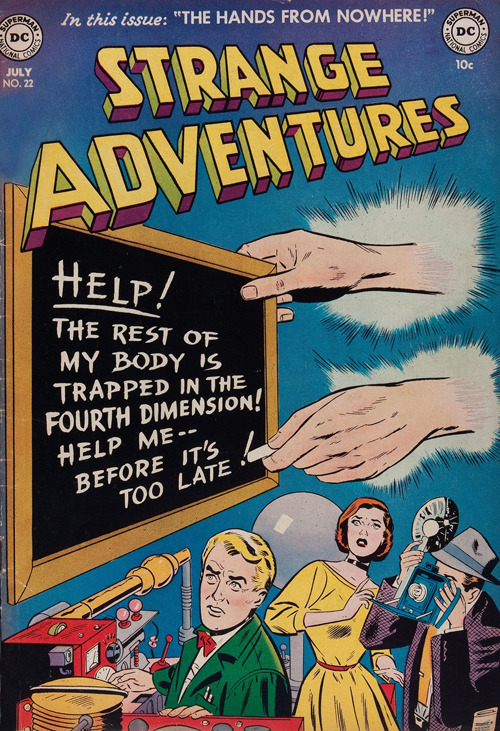
What role will our hands play in the future? Will we still write by hand?
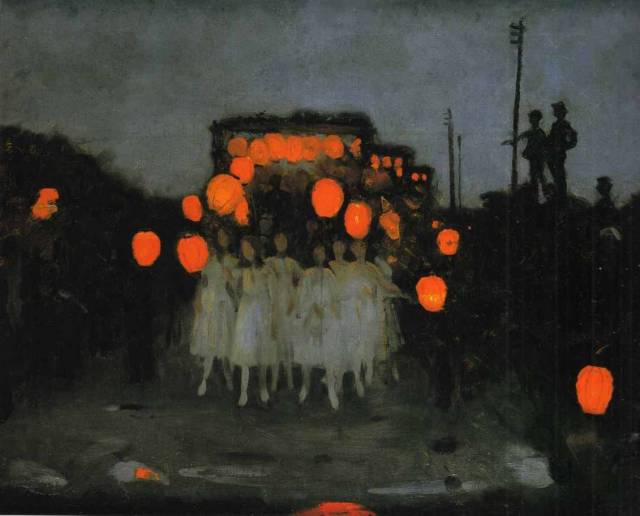
Thomas Cooper Gotch (English, 1854–1931), The Lantern Parade, c. 1918. Oil on canvas, 61 x 76.2 cm. Private collection.
 Brownstudy's Blog